Our Vision
To help young people become confident problem solvers through computing.
We offer small-group coding education with personal guidance, strong problem-solving development, and a track record of success in competitions.
Why Parents Choose MiniSteps
• Maximum 6 students per class for individual attention and support
• Structured progression from beginner to advanced levels
• Focus on problem-solving, independent thinking, resilience, and confidence development
• Participation in coding competitions, projects, and challenges
• Supportive learning environment that encourages growth and perseverance
At MiniSteps, we believe computing is more than learning to code. Through coding, projects, competitions, and guided challenges, students learn how to think logically and systematically, break down complex problems, learn from mistakes, persevere when things do not work, and grow into curious and capable learners who are prepared for success both in computing and in life.
Our students regularly participate in coding challenges, competitions, and creative projects. We love celebrating every step of their growth, from overcoming difficult challenges and building confidence to achieving success in competitions. You can explore some of our students’ recent achievements, projects, and learning journeys by visiting: View Student Showcase.
All lessons are limited to a maximum of six students, allowing every student to receive individual attention, guidance, and support.
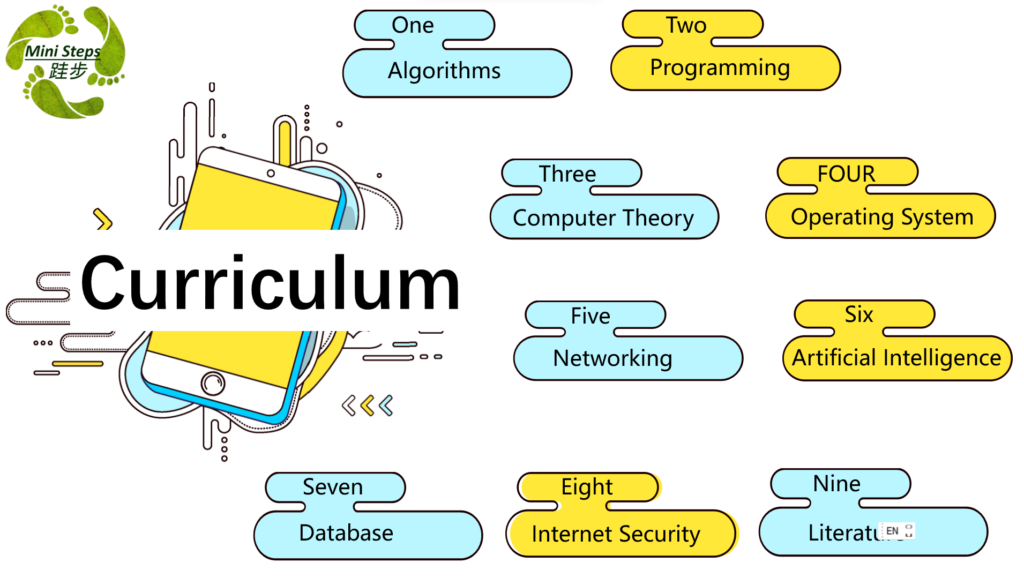
Our Curriculum
Level 1: Byte Buddy
Suitable for students 7-11 years old
Day: Saturdays
Time: 12:15 pm – 13:45 pm;
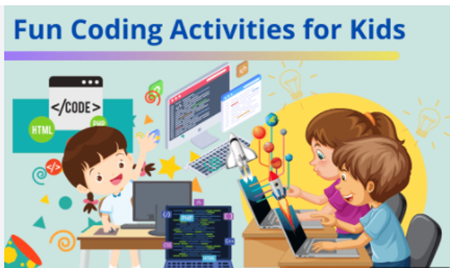
Byte Buddy introduces young learners to the world of computing through fun, interactive, and engaging activities. Using games, puzzles, and beginner-friendly coding projects, students learn to think logically, break problems into smaller steps, and develop confidence in trying new ideas.
No previous coding experience is required. The focus is on building curiosity, creativity, and foundational problem-solving skills while having fun.
Students will develop:
• logical thinking and sequencing skills
• creativity and curiosity
• confidence in exploring new challenges
• perseverance when things do not work first time
• foundational computing concepts through play and discovery
Level 2: Coding Cadet
Suitable for students aged 10 – 16
Day: Saturdays
Time: 09:30am – 11:00am, 16:00 – 17:30
Coding Cadet helps students develop stronger computational thinking and problem-solving skills through coding, projects, and practical challenges. Students explore programming concepts, algorithms, and logical reasoning while learning how to turn ideas into working solutions.
The course encourages independent thinking, creativity, and resilience. Students learn that mistakes are part of learning and that complex problems can be solved one step at a time.
Students will develop:
• computational thinking and logical reasoning
• confidence in designing and building projects
• problem-solving and debugging skills
• creativity through coding challenges
• resilience and independent learning habits
Level 3: Code Prodigy
Day: Wednesdays, Fridays
Time: 6:00pm – 7:30pm
Suitable for students aged 12+ (pre-assessment required)
Code Prodigy is designed for students who enjoy challenge and are ready to take their problem-solving skills to a higher level. Through advanced coding projects, competition-style questions, and guided mentoring, students learn how to tackle unfamiliar problems with confidence and persistence.
The focus extends beyond programming knowledge. Students are encouraged to analyse complex problems, develop strategies, explain their thinking, and refine solutions through testing and reflection.
Students will develop:
• advanced problem-solving skills
• competition and challenge-solving techniques
• confidence tackling unfamiliar problems
• independent and strategic thinking
• perseverance, resilience, and intellectual curiosity
IGCSE/GCSE/A Level Computer Science Lessons
Designed for students studying Computer Science at IGCSE, GCSE, and A Level, these lessons help students strengthen both their subject knowledge and problem-solving skills. Lessons focus on developing a deeper understanding of computational thinking, programming, algorithms, while building confidence tackling challenging questions independently.
Day: Fridays / Saturdays
Time 1: 6:00 pm – 7:30 pm
Learning Coding without Screen Class suitable for 5-7 year old
It is a fun & creative way to introduce coding concepts and develop problem-solving skills, but without screen! We also encourage hands-on engagement with the Machines & Mechanisms to enable primary school pupils to discover how the real world works.
Wanting to try a lesson? please register using the button below: